

What Happened
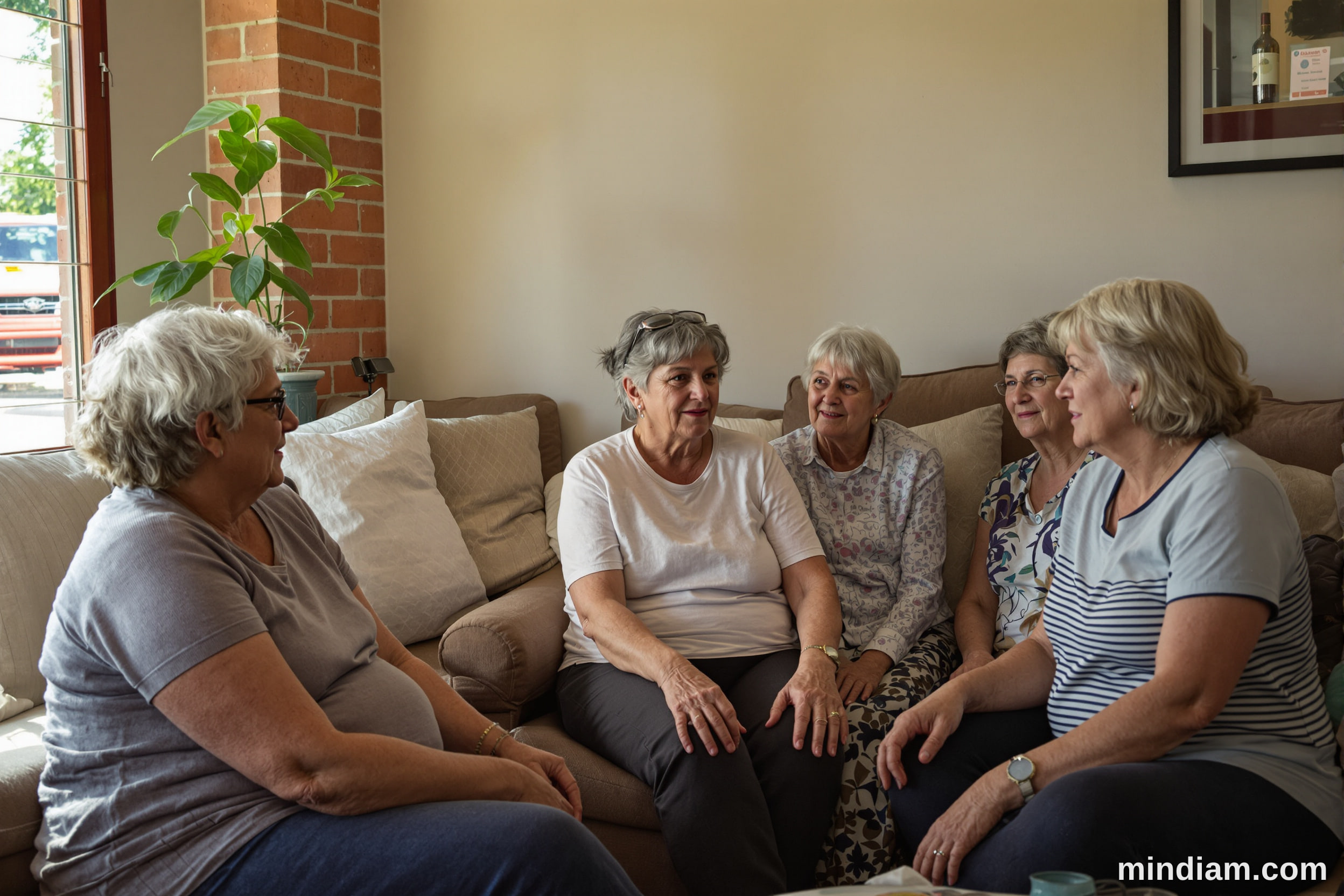
Procter & Gamble's Olay brand has released a social media campaign in Australia arguing that AI voice assistants give a narrow and dispiriting account of what it means to age. The campaign, titled "Rewrite the Signs of Ageing," was reported by Mumbrella on 27 October 2026.
The creative, produced by Saatchi & Saatchi Singapore and filmed in Perth, opens with a group of women posing the question: "What are the most common signs of ageing?" The AI assistant replies that "the common signs of ageing are deeper wrinkles, sagging due to collagen loss and increased sun spots due to cumulative sun exposure." The women's reactions are captured on camera. One responds: "Wow, that's heartbreaking. That can't just be it. Where is the rest of it?" Another says: "I feel strong. I feel sure of myself. Why is none of that mentioned?"
The campaign is now live on Olay Australia's YouTube and Instagram accounts. According to a press release cited by Mumbrella, Olay worked with YouGov on supporting research and Shapr on public relations. Publicis' Starcom remains P&G's local media agency in Australia.
Why It Matters
The campaign raises a documented concern about how AI systems characterise ageing for women. When a widely used voice assistant reduces ageing to physical decline, that framing can shape how people think about themselves, according to the premise Olay has built its campaign around. The brand's press materials argue this contributes to negative self-perceptions among older Australian women.
The question of how AI-generated content reflects or distorts social categories, including age and gender, has drawn increasing attention from researchers and regulators. Australia's Office of the Australian Information Commissioner (OAIC) has published guidance on the use of automated systems and their potential to produce biased outputs, relevant context for campaigns of this kind.
Key Details
The campaign's creative execution centres on the gap between what an AI assistant says ageing is and what the women in the film say they actually experience. The AI response it depicts is limited to physical markers: wrinkles, collagen loss, sun spots. The women's objections point to qualities the AI omits entirely, including strength and self-assurance.
Saatchi & Saatchi Singapore handled creative production. The film was shot in Perth, giving the campaign a local Australian setting. Olay's PR partner for the campaign is Shapr; YouGov provided supporting research. Starcom, part of Publicis, handles P&G's media buying in Australia.
Background and Context
The campaign draws comparisons to Dove's long-running "Real Beauty" work. In 2024, 20 years after the original campaign, Dove recreated "Campaign for Real Beauty" to address the pressure of unrealistic beauty standards in the AI era. Olay's new work covers similar ground, specifically targeting the outputs of AI voice assistants rather than traditional advertising imagery.
Both campaigns are products of large consumer goods companies, Olay owned by P&G and Dove by Unilever, using brand advertising to comment on how technology and media represent women's bodies.
What Comes Next
Olay has not announced further phases of the campaign beyond the current social media rollout. The supporting YouGov research has not been published in full, according to the Mumbrella report. Whether the campaign will extend to paid media placements through Starcom has not been confirmed.