


What Happened

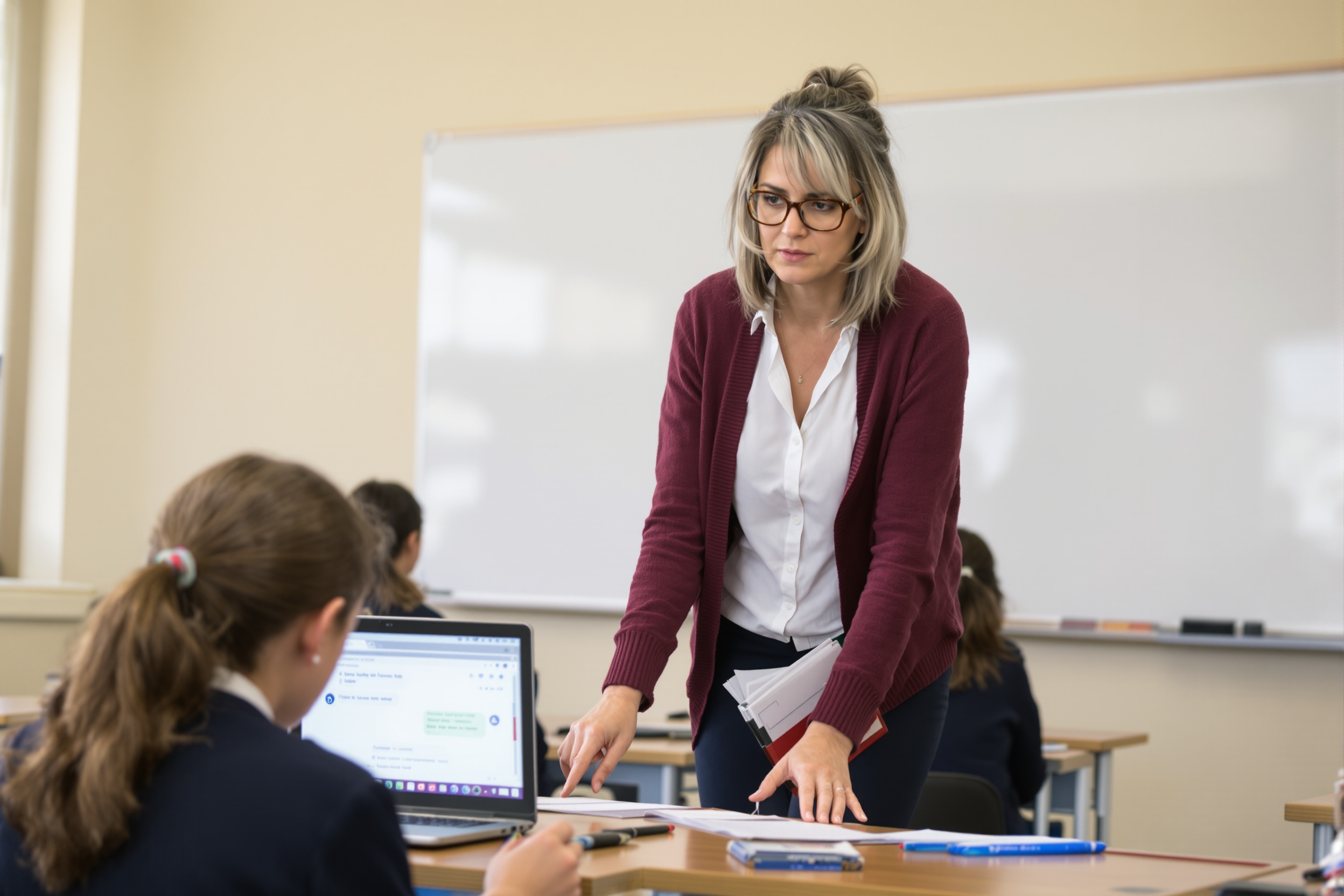
A new study of nearly 3,400 New South Wales teachers and more than 750 school leaders has found that 80 per cent of lower secondary teachers and 73 per cent of senior secondary teachers whose students use generative AI say those students are using it to complete assessment tasks, Information Age reported. The AI use in schools report by consulting group Learning First, drawn from a 2025 survey across government, Catholic and independent schools, was released on Sunday night and warned that the trend poses a "real and urgent" threat to Australia's education systems.
Why It Matters
For Australian businesses that hire graduates and entry-level workers, the report is a leading indicator of which skills are being eroded before they walk in the door. The authors describe students who "offload close to 100 per cent of their own cognitive effort" to AI tools to complete schoolwork. The implication for employers: the critical-thinking habits built by going through a problem rather than shortcutting to the answer are forming less reliably in cohorts now entering the workforce.
Key Details
The Learning First survey covered roughly 3,400 teachers and 750 school leaders across NSW government, Catholic and independent schools in 2025. Around 80 per cent of teachers and school leaders whose students use AI for schoolwork said they were worried about the technology's impact on education. About half of secondary teachers said they don't know how to prevent AI-powered plagiarism or cheating.
One high school teacher told researchers that some students expect to "offload close to 100 per cent of their own cognitive effort" to AI tools. Another said: "Kids are trying to get to the answer the shortest, fastest, quickest, most convenient way possible." A third warned: "They're missing the point that yes, getting the right answer matters – but it matters because of the process you've gone through to get there and what you've learnt by doing it." All quotes are taken verbatim from the Learning First report as carried by Information Age (Learning First, 2025).
Background and Context
The report follows several years of rising access to generative artificial intelligence in Australian classrooms. The federal government released the Voluntary AI Safety Standard (VAISS) in 2024, asking businesses and institutions to keep a human review step over consequential AI outputs. The Learning First authors argued that the same principle applies in education: "Schools need to maintain effective learning and the integrity of assessment – which means taking AI out of student work" and that "action is also needed to protect integrity in the lower secondary years" (Learning First, 2025).
What Comes Next
The Learning First authors said many senior secondary assessments are currently susceptible to AI-related plagiarism or cheating and that immediate action is required at the lower-secondary level too. The report itself did not specify policy steps; that decision sits with state education ministers and federal counterparts (unstated).
Frequently Asked Questions
Are Australian students banned from using AI in schools?
No national ban applies. Use varies by state, school system and subject. The Learning First report found wide variation in how teachers respond, and that about half of secondary teachers said they don't know how to prevent AI-powered plagiarism or cheating (Learning First, 2025).
Does this affect Australian employers?
Indirectly but materially. The teachers quoted describe students who "offload close to 100 per cent of their own cognitive effort" to AI for assessment tasks (Learning First, 2025). Expect more variable critical-thinking habits in recent school leavers; our AI strategy engagement covers how operators bake that into onboarding.
Is this peer-reviewed research?
No. It is a 2025 industry report by Learning First, drawn from a survey of around 3,400 NSW teachers and more than 750 school leaders. The scale is large enough to make the headline figures directionally useful (Learning First, 2025).